
Jr. Process Chemist
May 26, 2020 | Stephen Sharretts | Share
Position Type: Full-Time
Pay: $20-25/hour
Location: Emigsville, PA
Official Job Description:
At SPC, A Jr. Process Chemist performs a wide range of chemistry duties. Process chemistry combines several disciplines, including organic, inorganic, and physical chemistry, operating laboratory instrumentation, research design, technical-scientific communication, and interaction with customers when necessary. Jr. Process Chemists help develop new plating processes, such as platinum group metals and alloys for plating on exotic materials like ceramics and plastics. As a Jr. process chemist, your responsibilities include analyzing and performing statistical process control on existing plating processes, performing design of experiments for new plating processes, and setting up and maintaining laboratory equipment. Some of your work is in the laboratory, while other tasks are performed on prototype and production lines.
Required Education, Certification, and Experience:
- Bachelor’s Degree
- COOP Experience (Preferred but not Mandatory)
- ACS Certification
- Applicant MUST be a U.S. Citizen or a U.S. permanent resident (Green Card holder) at the point of application due to government program requirements.
Key Qualifications:
- Passionate about how chemistry works
- Plan and conduct research on the characterization of materials
- processing techniques
- electroplating
- anodizing
- Design process experiments using DOE methodology
- Set up, adjust, operate and maintain laboratory equipment and instruments.
- Mix coating solutions
- Effectively use electroplating/anodizing equipment and run electroplating/anodizing experiments as required
- Can record, summarize, and track daily operations/procedures in a written format.
- Can maintain a clean, safe, and organized work area
Related Subject Matter Knowledge:
- Analytical Methods, e.g., equilibria and acid-based techniques
- Statistics & Error Analyses related to DOE
- Computer-aided data analysis for chemist
- Writing and presenting scientific reports and papers
- Instrumentation design, operating principles, and theory
- Chromatography & Spectroscopy
- UV-VIS
- NMR
- FLUORESCENCE
- EPR
- AA
- GC-MS
- HPLC
- Transition metal chemistry
- Polymer Chemistry (basic applications)
Benefits of Working with SPC:
- Traditional Roth IRA with Company Match
- Two weeks of paid time off
- Health, Dental, Vision Insurance
- Hands-on Training
- Flexible working hours
Resources & Insights
Related posts
Explore articles similar to this one
Sharretts Plating Announces Strategic Expansion to Advance Wafer-Level Metallization Capabilities
York, Pennsylvania — April 13th, 2026 — Sharretts Plating Company (SPC), a leader in advanced metal finishing and engineered surface…
Learn more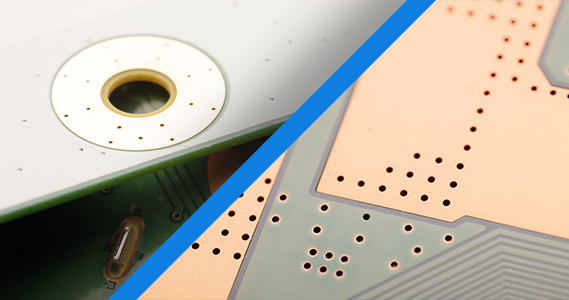
What Is the Difference Between OSP and ENIG? A Complete PCB Finish Comparison
The surface finish selected for printed circuit board (PCB) fabrication is a critical determinant of manufacturing yield, solder joint reliability, shelf life…
Learn more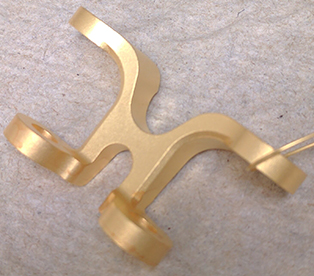
Gold Plating Standards
Gold is known for its glitter and glamour, but it also has significant value from an electroplating perspective. Why should…
Learn moreStay in touch